
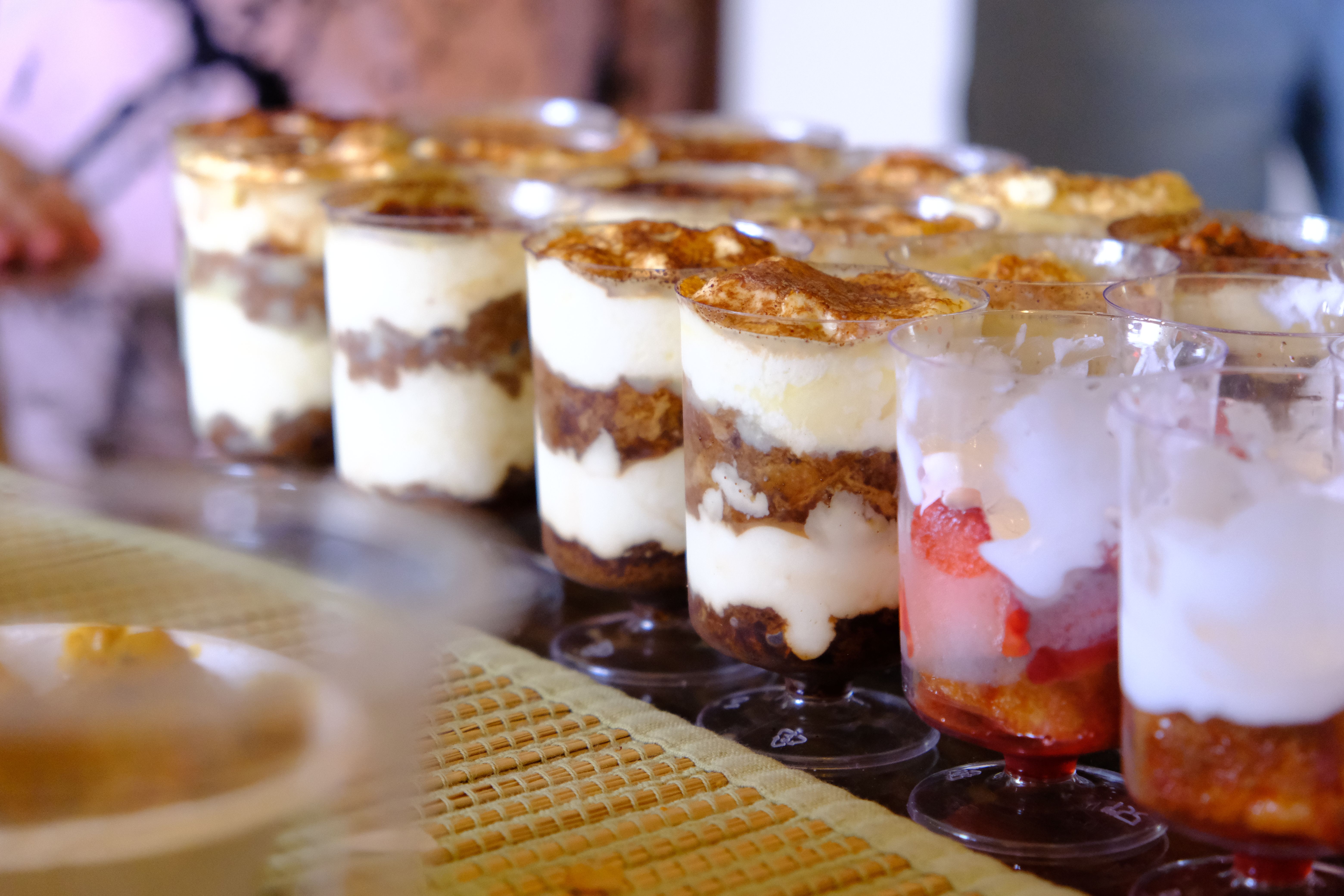
Discover the sweet revolution of 2026: gut-healthy desserts that don't compromise on taste. Learn about probiotic baking, prebiotic fibers, and the best low-sugar alternatives to transform your treats and boost digestive wellness. We compare top ingredients, innovative products, and expert services for microbiome-friendly indulgence.
Introduction to the Topic
For decades, the joy of indulging in a decadent dessert has often been overshadowed by guilt, fueled by concerns over sugar, calories, and their impact on our health. But what if we told you that in 2026, the world of desserts is undergoing a delicious paradigm shift? Welcome to the era of gut-healthy desserts – treats designed not just to satisfy your sweet tooth, but to actively nourish your digestive system and enhance overall well-being.
As awareness of the human microbiome's profound influence on everything from immunity and digestion to mood and metabolism skyrockets, consumers are increasingly seeking functional foods that offer more than just basic nutrition. This demand has sparked an incredible wave of innovation in the baking world, leading to a new generation of desserts that are rich in prebiotics, infused with probiotics, and expertly crafted with low-glycemic, natural sweeteners. Forget the days of bland "health food"; today's gut-friendly treats are vibrant, indulgent, and truly revolutionary. Join us as we explore how to transform your kitchen into a haven for microbiome-friendly delights, comparing the best ingredients and services to guide your sweet, healthy journey.
Backgrounds & Facts
The human gut is home to trillions of microorganisms, collectively known as the gut microbiome. This complex ecosystem plays a pivotal role in our health, influencing nutrient absorption, vitamin synthesis, immune function, and even our mental state via the gut-brain axis. A balanced, diverse microbiome is key to optimal health, while an imbalance (dysbiosis) can contribute to a host of issues, from digestive discomfort to chronic inflammation.
Traditional desserts, often laden with refined sugars and unhealthy fats, can disrupt this delicate balance. Refined sugar, in particular, feeds detrimental bacteria, leading to inflammation and a reduction in beneficial microbial diversity. This understanding has propelled the rise of functional dessert ingredients:
- Prebiotics: These are non-digestible fibers that act as "food" for beneficial gut bacteria, stimulating their growth and activity. Common prebiotic sources now being expertly incorporated into baking include inulin (from chicory root), fructooligosaccharides (FOS), galactooligosaccharides (GOS), and resistant starches (from green bananas or specific potato varieties). By adding these, desserts can actively support a thriving gut environment.
- Probiotics: Live beneficial bacteria that, when consumed in adequate amounts, confer a health benefit to the host. The challenge in baking has always been the heat sensitivity of most probiotic strains. However, by 2026, advancements in food science have given us highly resilient, heat-stable probiotic strains (e.g., specific strains of Bacillus coagulans or Lactobacillus plantarum) that can survive baking temperatures and reach the gut alive. Fermented ingredients like kefir powder or sourdough starters also offer natural probiotic benefits.
- Postbiotics: These are beneficial compounds produced by gut bacteria during fermentation, such as short-chain fatty acids (SCFAs) like butyrate, which are crucial for gut barrier integrity and anti-inflammatory responses. While less direct in dessert formulation, ingredients that promote SCFA production (i.e., prebiotics) inherently contribute to postbiotic benefits.
- Low-Glycemic Sweeteners: Moving away from traditional sugar, the industry has embraced natural, low-calorie, and low-glycemic alternatives. Allulose, erythritol, monk fruit, and stevia are now staples, providing sweetness without the sharp blood sugar spikes or negative gut impact of sucrose. Yacon syrup, a natural sweetener rich in FOS, offers a dual benefit of sweetness and prebiotic fiber.
The global market for functional foods, including those targeting gut health, is projected to reach unprecedented levels by 2026, with desserts leading a significant portion of this growth. Consumers aren't just looking for "less sugar"; they're actively seeking "more good" – ingredients that contribute positively to their health while still delivering an indulgent experience.
Expert Opinion / Analysis
"The evolution of gut-healthy desserts isn't just a trend; it's a fundamental shift in how we perceive indulgence," explains Dr. Anya Sharma, a leading Gut Microbiome Specialist at the Institute of Functional Nutrition. "For years, the sweet treats we craved often worked against our digestive wellness. Now, thanks to incredible advancements in food science and a deeper understanding of the microbiome, we can design desserts that actively nourish our bodies."
Dr. Sharma emphasizes that the key lies in intelligent ingredient selection and innovative formulation. "It's no longer enough to simply reduce sugar. We're looking at synergistic combinations – pairing specific prebiotic fibers with targeted probiotic strains, ensuring these ingredients maintain their efficacy through the baking process. The goal is to create a 'Trojan horse' effect, where a delightful dessert delivers powerful gut-boosting benefits."
One of the biggest breakthroughs, according to Dr. Sharma, has been the development of truly heat-stable probiotics. "Early attempts often saw probiotic counts plummet during baking, rendering the 'probiotic cookie' largely ineffective. But with strains engineered for resilience, and microencapsulation technologies, we're seeing much higher survival rates, meaning your gut actually receives the beneficial bacteria."
The challenge, she notes, remains taste and texture. "Consumers won't compromise on enjoyment. The industry has invested heavily in perfecting the sensory experience of these new ingredients. Allulose, for example, mimics sugar's texture and browning capabilities remarkably well, while blends of erythritol and monk fruit offer a clean sweetness without the aftertaste issues of earlier generations of sweeteners. The future of baking is about delicious science, making healthy choices irresistibly tasty."
💰 Best Options in Comparison (VERY IMPORTANT)
Ready to transform your baking and boost your gut health? The market is now flooded with fantastic options, from specialized ingredients to ready-to-bake mixes and educational resources. Here’s a comparison of top choices to help you make informed purchasing decisions and find the perfect fit for your gut-friendly kitchen.
Top Gut-Healthy Baking Ingredients & Products:
- Allulose Sweetener (e.g., SweetBloom Allulose Powder): A "rare sugar" found naturally in small quantities in fruits like figs and wheat. It tastes like sugar, browns like sugar, and has almost zero calories with no impact on blood glucose. It’s a fantastic bulk sweetener for cakes, cookies, and custards, offering superior texture compared to many other alternatives.
- Inulin & FOS Prebiotic Fibers (e.g., FiberFuel Chicory Inulin, PrebioBoost FOS Powder): These soluble fibers are extracted from chicory root or other plant sources. They are tasteless and dissolve easily, making them perfect for adding to virtually any baked good, smoothies, or yogurts to boost your daily fiber intake and feed beneficial gut bacteria. Start with small amounts to avoid digestive discomfort.
- Heat-Stable Probiotic Blends (e.g., BiomeGuard Baking Probiotics): No longer just for supplements, these specialized blends contain strains like Bacillus coagulans GBI-30, 6086 or specific microencapsulated Lactobacillus plantarum strains designed to survive oven temperatures. Integrate them into muffins, bread, or even energy bars post-baking (if possible) or ensure the product explicitly states its heat stability.
- Gut-Friendly Baking Mixes (e.g., Digestive Delights Cookie Mix): For convenience, these pre-formulated mixes take the guesswork out of healthy baking. Look for brands that clearly list prebiotic fibers, low-glycemic sweeteners, and optionally, heat-stable probiotics. They are ideal for busy individuals or those new to gut-healthy baking.
- Online Baking & Nutrition Courses (e.g., The Probiotic Pastry Chef Academy): For those serious about mastering the art and science of gut-healthy baking, enrolling in an online course can provide in-depth knowledge, expert guidance, and access to a community. These often cover advanced techniques, ingredient sourcing, and personalized recipe development.
To help you decide, here’s a detailed comparison:
| Product/Service | Key Benefit | Best For | Taste/Texture Impact | Avg. Price Range (2026) |
|---|---|---|---|---|
| SweetBloom Allulose Powder | Zero-calorie, low-glycemic sweetener; excellent sugar replacement. | Cakes, cookies, custards, browning. | Very similar to sugar, no aftertaste. | $15-25 / lb |
| FiberFuel Chicory Inulin | Feeds beneficial gut bacteria (prebiotic). | Adding fiber to any baked good, smoothies. | Neutral taste, can slightly thicken. | $10-20 / lb |
| BiomeGuard Baking Probiotics | Delivers live beneficial bacteria (probiotic) even after baking. | Muffins, breads, energy bars, general gut support. | No taste impact. | $25-40 / 30 servings |
| Digestive Delights Cookie Mix | Convenient, pre-portioned gut-healthy baking solution. | Beginners, quick healthy treats, gifts. | Excellent, often indistinguishable from traditional cookies. | $12-18 / mix |
| The Probiotic Pastry Chef Academy | Comprehensive education in gut-healthy baking techniques. | Aspiring healthy bakers, professional development. | Enhances understanding of taste/texture. | $199-499 / course |
When selecting products, always check for third-party certifications, transparent ingredient lists, and, for probiotics, specific strain information and guaranteed CFU (colony-forming unit) counts at the time of consumption or expiry. Investing in high-quality ingredients and education is an investment in your health and culinary prowess.
Outlook & Trends
Looking ahead to the rest of 2026 and beyond, the gut-healthy dessert landscape is set for even more exciting transformations. We anticipate a surge in hyper-personalized dessert solutions, driven by advancements in at-home microbiome testing. Imagine submitting a gut test, and an AI-powered platform then generates bespoke dessert recipes tailored to your unique microbial profile, recommending specific prebiotics or postbiotics to nurture your dominant beneficial strains.
Further innovation will focus on integrating more diverse and sustainable sources of prebiotics. Expect to see ingredients derived from upcycled food waste, such as fruit and vegetable peels, being transformed into functional fibers. The concept of "food as medicine" will become even more ingrained, with bakeries and cafes offering desserts not just for pleasure, but for targeted health benefits, perhaps even featuring "dessert prescriptions" from wellness coaches.
We'll also see more sophisticated combinations of functional ingredients, moving beyond just pre- and probiotics to include adaptogens, nootropics, and targeted postbiotics, creating true "super desserts." The future of sweet treats is not just about guilt-free indulgence, but about active, delicious contributions to our long-term health and vitality.
Conclusion
The sweet revolution of gut-healthy desserts is here to stay, fundamentally reshaping our relationship with indulgence. By embracing innovative ingredients like allulose, inulin, and heat-stable probiotics, and by exploring specialized products and educational resources, you can transform your baking into a powerful tool for digestive wellness. No longer do you have to choose between satisfying your cravings and nurturing your body. In 2026, you can have both: delectable treats that actively support a thriving microbiome, boosting your health from the inside out. So, go ahead – bake with purpose, indulge with joy, and savor every bite of your journey to a happier, healthier gut.