
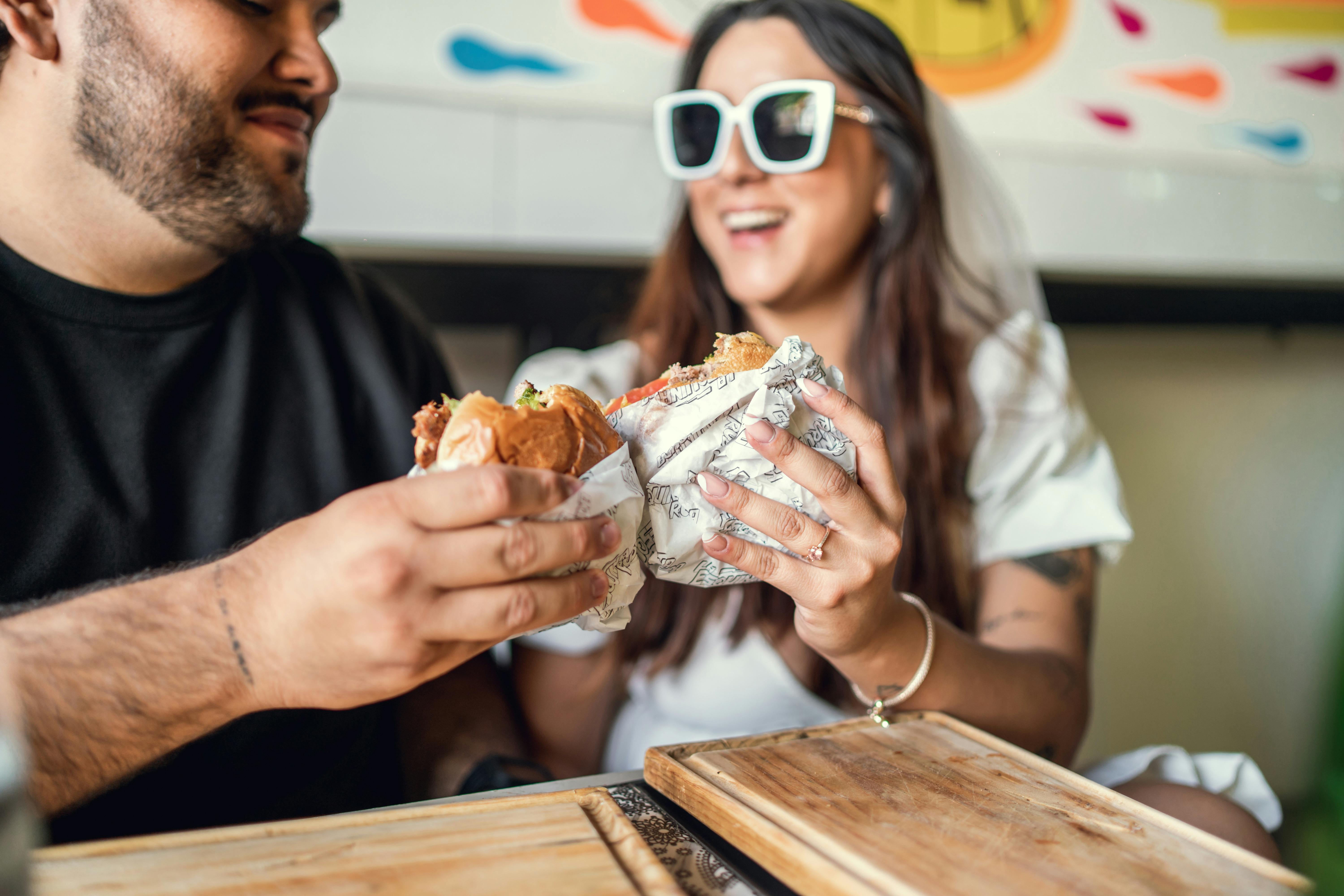
A handful of dishes end up on almost every menu in a category, while equally good ones never spread. The dishes that travel share operational traits, not culinary ones.
It has to fit prep that already exists
Every kitchen has a fixed set of components made in the morning: a stock, a base sauce, cut vegetables, a dough. New dishes compete for that same prep list.
A dish assembled mostly from components already on the list adds almost no morning work, so a head chef can add it without renegotiating the schedule.
A dish needing its own dedicated preparation adds a task that must be repeated daily whether or not anyone orders it, which is where most candidates fail.
It has to survive an inconsistent cook
Menus outlive staff. A dish that stays on for years will be cooked by people who never met the person who wrote it.
Dishes with a wide margin for error keep working through that turnover, because the difference between careful and hurried execution is small enough that guests do not notice.
Dishes with a narrow window, where thirty seconds decides the texture, degrade quietly as the original cook leaves and nobody realises the standard has slipped.
It has to hold without collapsing
Plates wait. They wait for the rest of the table, for a runner, for a delivery driver, and holding time is the enemy of most textures.
Dishes built on braises, stews and starches hold well, since their texture is already the product of long cooking and does not change much in ten minutes.
Crisp and delicate dishes lose their point in the same ten minutes, which limits how far they can spread beyond kitchens that plate straight to the table.
The ingredient list has to be boring
A dish whose ingredients are stocked by every general supplier can be put on a menu anywhere. One requiring a specialist order can only exist where that specialist delivers.
This is why menu standards tend to use widely traded staples, with the distinctive character coming from technique or seasoning rather than from a rare component.
It also means a dish can spread far from its origin while quietly swapping out the one ingredient that was hardest to source.
Familiarity then compounds
Once a dish appears on enough menus, guests order it without reading the description, which lowers the risk of listing it and encourages more kitchens to do so.
That feedback loop is why menu standards look inevitable in hindsight, although the selection happened on grounds of prep, holding and sourcing.
The same loop makes standards hard to dislodge, since a replacement has to beat an incumbent that already sells itself.