
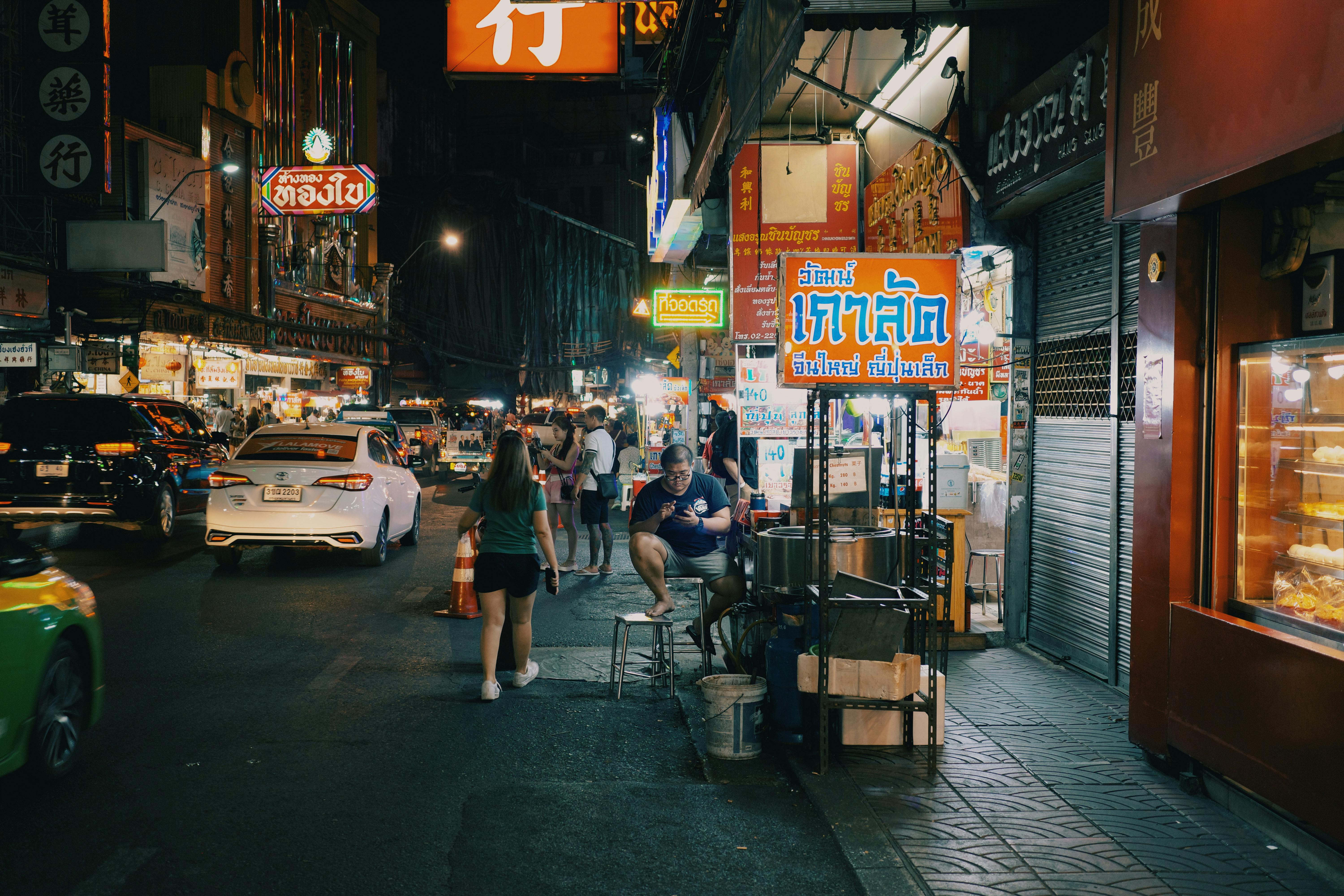
A sweet shop's display case looks full at any hour and nearly empty at closing. That pattern is deliberate, because the products in it are made to be sold on the day they are made.
Dairy sweets sit in a difficult moisture range
Milk-based sweets combine available water, protein and sugar, the conditions that let microbes grow. Nothing in the recipe acts as a strong preservative against that.
Drier sweets last longer precisely because less free water is available. Across the whole case, softness and shelf life run in opposite directions from each other.
Which is why any specific storage question belongs with published food safety guidance from public health authorities rather than a rule of thumb, since the safe window depends on temperature and handling.
Production is staged rather than done all at once
The kitchen does not make a full day of stock in the morning. It prepares the base preparations early and finishes individual items through the day against observed demand.
Reduced milk, drained curd and syrup are all intermediate stocks that can become several different finished sweets, so committing them late keeps the shop's options open.
That is why the same shop can be sold out of one item by noon and still be producing another at dusk without anything having gone wrong.
The case itself is a sorting system
Chilled sections hold the perishable dairy items. Ambient shelves hold the dry, sugar-dense and fried items that tolerate room temperature comfortably.
Staff refill from the back so that older stock sits forward, and the arrangement is checked repeatedly through the day rather than set once in the morning.
Trays are also kept shallow and separated rather than stacked, which keeps warm items from raising the temperature of the ones beneath them and lets staff see what is moving.
Late-day pricing reflects the perishability
Shops commonly discount perishable trays as closing approaches, because the realistic alternative is disposal rather than carrying that stock forward to tomorrow.
A buyer taking advantage of that should treat the sweet as something to eat promptly and keep cold on the way home, which is the same logic the shop was applying.
Festival weeks break the whole pattern
During major festivals demand can exceed normal volume many times over, and shops shift toward producing longer-keeping items in bulk well ahead of the peak.
The composition of the case changes visibly in those weeks, tilting toward nut and flour-based sweets that survive transport and gifting rather than soft dairy items that do not.