
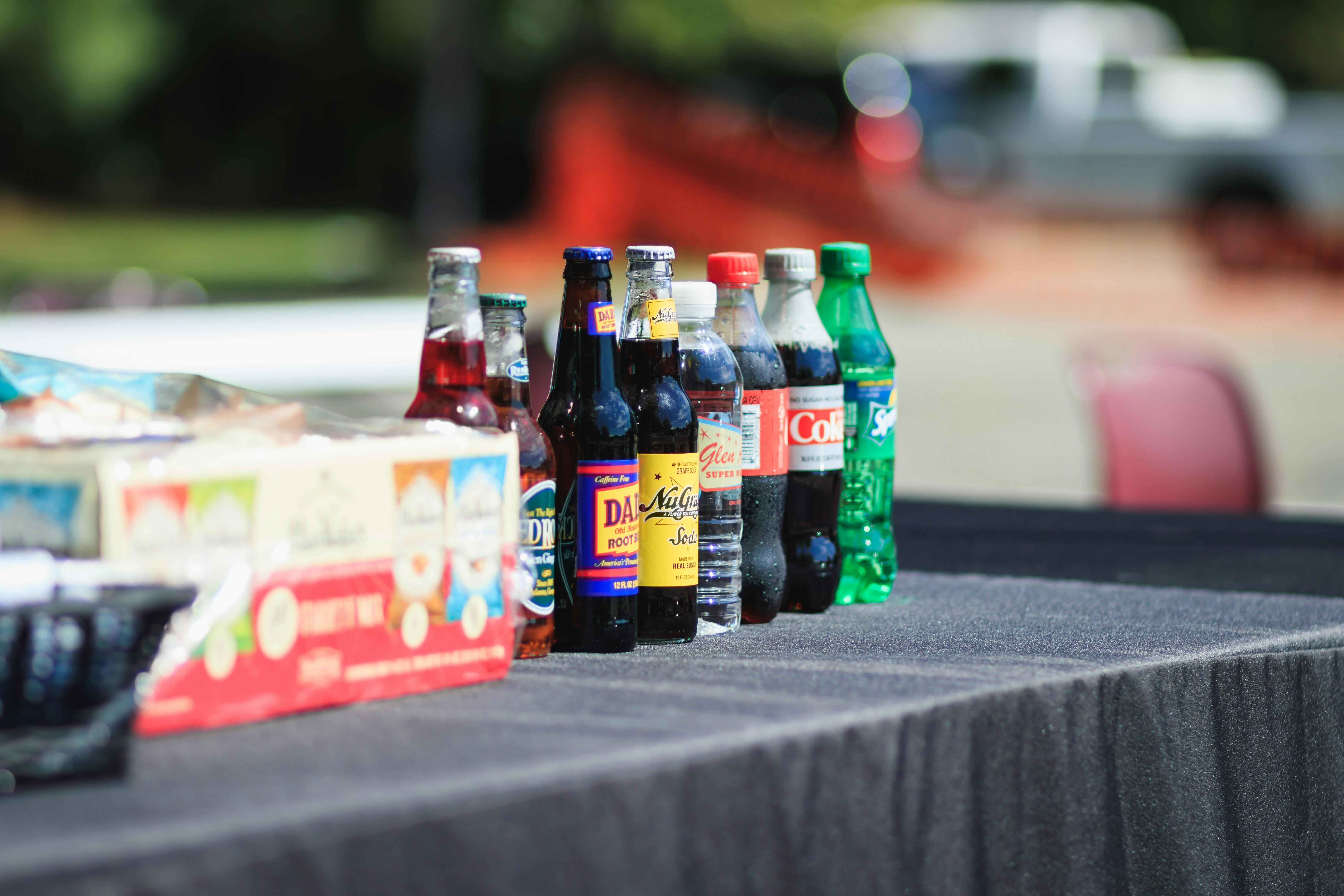
Carbonation is usually described as bubbles, and the bubbles are the least important part of what it does. The sensation and its effect on flavour come from a chemical reaction on the tongue.
The sharpness is an acid, not a bubble
Dissolved carbon dioxide reacts with water in the mouth to form carbonic acid, which is detected by the same receptors that respond to other mild acids.
That reaction is what produces the characteristic prickle, and it can be sensed even where the pressure prevents bubbles from forming at all.
The bubbles contribute texture and help release aroma, but the defining sensation would still be present without them.
Acidity offsets sweetness directly
The acid formed lowers the perceived sweetness of the drink, allowing a much higher sugar concentration to taste balanced rather than syrupy.
This is why a carbonated drink poured flat tastes noticeably sweeter and heavier than the same liquid did with its gas intact.
Manufacturers formulate against the carbonated state, so the balance is only correct while the gas remains dissolved.
Escaping gas carries aroma to the nose
Bubbles rising through the liquid collect volatile aromatic compounds and release them at the surface, delivering a burst of aroma with every sip.
That delivery is more intense and more immediate than from a still drink, where volatiles have to evaporate from a flat surface.
It is also short-lived, which is why the aroma of a carbonated drink is strongest in the first moments after pouring.
The sensation registers as refreshment
Cold, mild acidity and the tingle together produce a stronger impression of thirst being addressed than the same liquid without gas.
The effect is a sensory one rather than a hydration one, since the water content and its uptake are essentially unchanged by carbonation.
That impression is why carbonated water is preferred as a palate cleanser and why still versions of the same drinks feel heavier.
Pressure and temperature control how long it lasts
Gas dissolves more readily in cold liquid and under pressure, so a warm or opened drink loses carbonation steadily and cannot be fully restored.
Rough surfaces and particles give bubbles somewhere to form, which is why pouring over ice or into a scratched glass releases gas rapidly.
Serving cold in smooth glassware and keeping the container closed are therefore not fussiness but the only means of preserving the effect being paid for.