
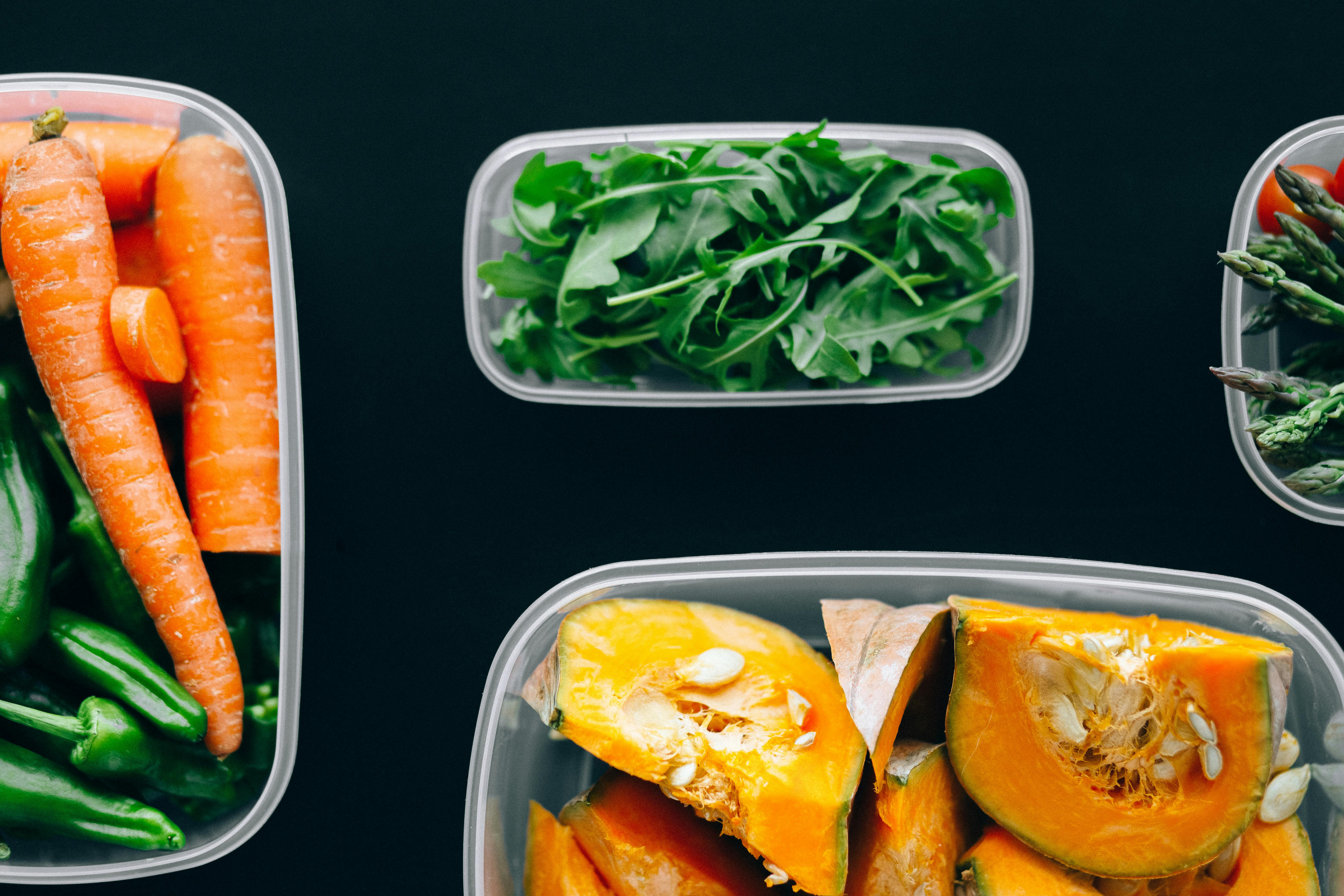
Batch cooking usually starts well and stops within a fortnight. The failure is rarely about time or willingness, and it repeats in a predictable pattern.
Sensory fatigue arrives faster than expected
Repeated exposure to the same flavour reduces the response to it, so a dish eaten five times in a week tastes progressively less interesting through no fault of its own.
The effect is strongest with distinctive, heavily seasoned dishes, which are exactly the ones people choose when cooking ahead because they hold well.
By the second week the food is objectively the same and subjectively much worse, and skipping it starts to feel like a preference rather than a failure.
Finished meals cannot be adjusted
A container of a complete dish offers one option, and the only decisions left are to eat it or not.
Appetite, plans and mood vary daily, so a plan that fixed every meal in advance will meet days it does not suit, and those days become the exceptions that break the habit.
Components stored separately, such as a cooked grain, a pulse, a sauce and a roasted vegetable, can be recombined differently and absorb that variation.
Textures degrade at different rates
Storing a complete dish means everything in it is held under one set of conditions, which suits some elements and ruins others.
Anything crisp softens against something moist, herbs darken, and dressed items continue breaking down, so a dish that was balanced becomes uniform and dull.
Keeping wet and dry elements apart until serving preserves the contrast, and contrast is most of what makes reheated food feel like a meal.
The single long session is fragile
A plan resting on one three-hour session each weekend fails entirely if that session is missed, and there is no partial version of it.
Two shorter sessions, or preparing components alongside a meal already being cooked, spreads the work and survives a disrupted week.
Plans that continue partially when interrupted last far longer than plans that are either executed fully or abandoned.
The finishing step is what makes it work
Reheated food benefits enormously from something added at the point of eating: acid, fresh herbs, a fried spice, raw onion or a crisp element.
These take under a minute and restore the qualities that storage removed, which changes the meal from a stored one into a finished one.
Planning the finish alongside the batch, rather than treating it as an optional garnish, is the difference between a system that lasts and one that quietly stops.