
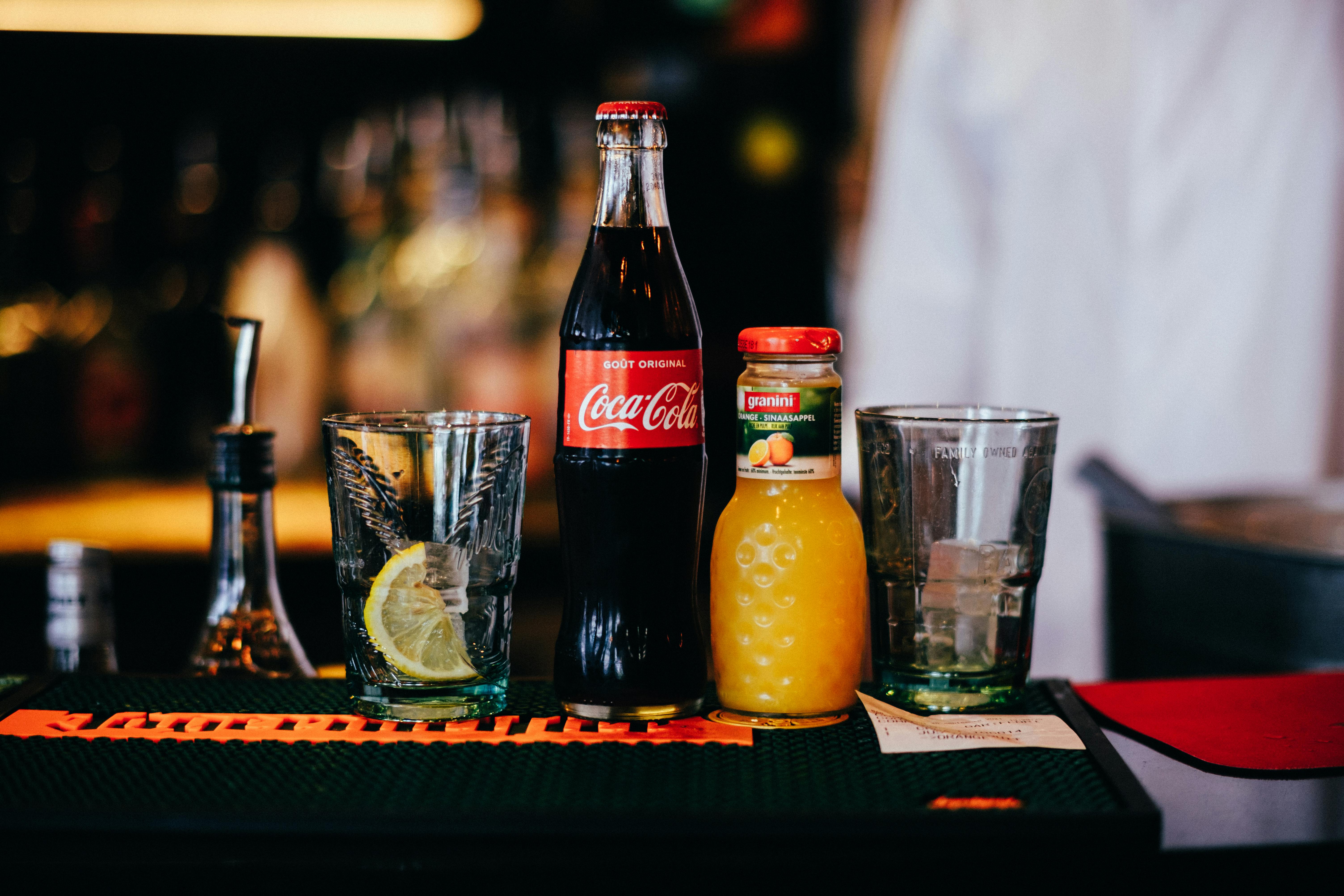
A soft drink left to warm tastes cloying, and a hot drink allowed to cool tastes different from how it began. Temperature is altering perception rather than composition.
Taste receptors respond differently at different temperatures
The proteins that detect sweetness sit in the tongue's taste cells, and their sensitivity varies with temperature rather than staying constant.
Warming increases the response to a given concentration of sugar, so the identical liquid registers as sweeter when hot than when cold.
Bitterness behaves similarly, which is why a cooled coffee tastes more bitter and less sweet than the same coffee did when freshly poured.
Cold suppresses aroma, and aroma carries most of flavour
Much of what is experienced as flavour arrives through the nose from volatile compounds released by the drink.
Volatiles evaporate far more readily when warm, so a hot drink delivers a large aromatic signal and a chilled one delivers considerably less.
A cold drink therefore relies more heavily on the basic tastes, since the aromatic layer that would have supported them is muted.
Cold drinks are formulated to compensate
Products designed to be consumed chilled are sweetened to taste correct at that temperature, which necessarily means over-sweet at room temperature.
This is why the same drink is unpleasant warm, and why tasting panels for chilled products assess them at serving temperature rather than conveniently warm.
It also explains why a syrup that tastes balanced in the pan can taste weak once it has been poured over ice and diluted.
Carbonation and acidity interact with the same effect
Dissolved carbon dioxide forms a mild acid in the mouth and produces a sharp sensation that partly offsets sweetness.
Gas escapes faster from warm liquid, so a warming carbonated drink loses that counterbalance while its sweetness perception rises simultaneously.
The two changes compound, which is why the drop in quality as a fizzy drink warms feels steeper than temperature alone would suggest.
Serving temperature is part of a recipe
Traditional drinks are generally served at a temperature their sweetness and spicing were tuned for, and moving them off it changes the balance.
A hot spiced drink chilled tastes under-sweetened and over-spiced, because the aromatics remain detectable while the sweetness perception falls.
Anyone adapting a hot drink for cold service has to re-taste and rebalance it cold rather than assuming the same formula transfers.