
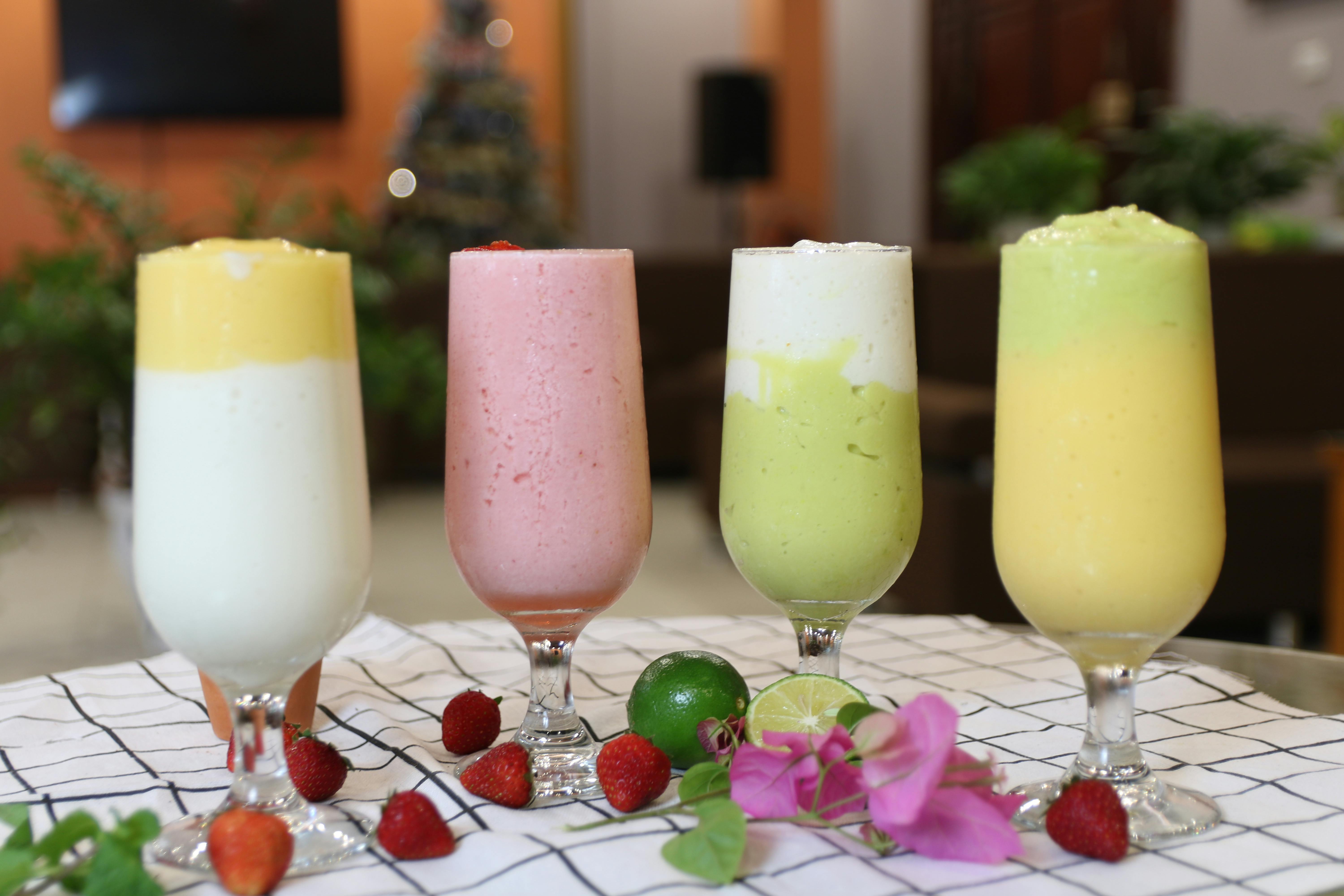
Lassi is often described as an Indian milkshake, which misses what the drink is doing. The two are constructed from different dairy states and produce opposite effects.
The base is cultured, not fresh
Lassi starts from set curd, which is milk that has been fermented until its proteins have coagulated and its lactose has partly converted to lactic acid.
A milkshake starts from milk and ice cream, both uncultured, so the drink carries sweetness and fat with no acidity underneath it.
That acidity is the defining feature. It makes lassi refreshing in heat, where a sweet fatty drink is heavy in exactly those conditions.
Dilution is a deliberate step
Set curd is too thick to drink, so it is whisked with water until it thins to a pourable consistency, and the ratio decides whether the result is a drink or a dish.
A milkshake moves in the opposite direction, thickening milk with frozen dairy until it needs a straw wide enough to pull it through.
Salted versions dilute further and skip sweetening entirely, which places them closer to a savory buttermilk than to anything served for dessert.
Aeration comes from whisking rather than freezing
Traditional lassi is beaten vigorously, which incorporates air and gives a light foam on top without any added fat.
The foam is structural, since the drink is served immediately and the air keeps it feeling lighter than its dairy content suggests.
A milkshake gets its body from air already whipped into ice cream during freezing, which is a different mechanism producing a denser, colder result.
Sweet and salted versions serve different roles
Sweet lassi, often scented with cardamom or rose and sometimes fruit, is treated as a refreshment or a small indulgence in its own right.
Salted lassi with cumin and sometimes mint is drunk with or after food, where the salt and acid do palate-cleansing work between rich dishes.
Both are consumed with meals rather than as a course after them, which is another point of separation from the milkshake.
Making it well in an American kitchen
Plain whole-milk yogurt works, thinned with cold water rather than milk, since milk adds lactose and mutes the acidity the drink depends on.
Greek yogurt is strained and therefore thicker and less acidic, so it needs more water and often a little lemon to bring the tartness back.
Blending briefly is fine, but long blending warms the mixture and breaks the foam, which is why the traditional tool is a whisk rather than a machine.