
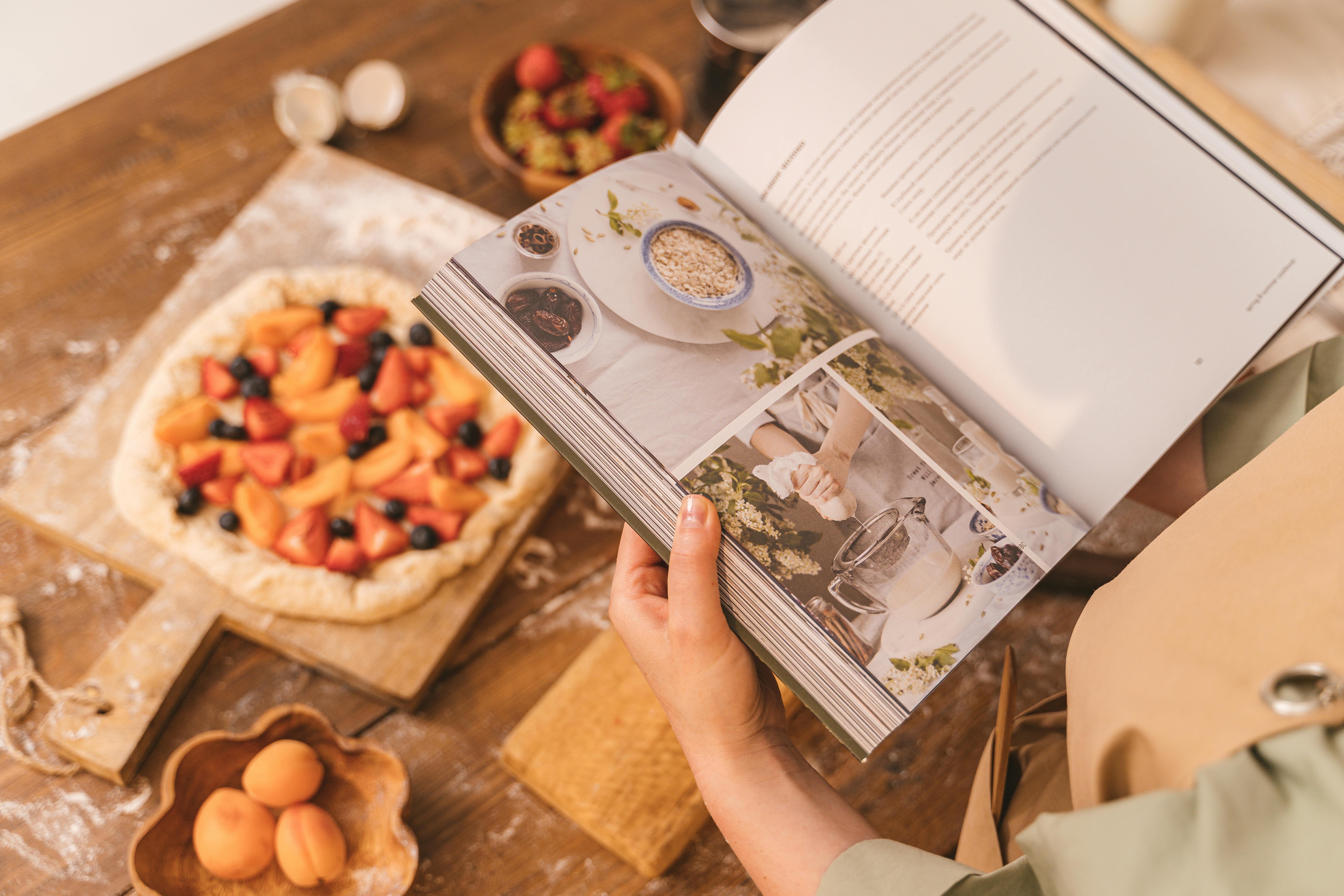
Two recipes using the same legume can call for half an hour of soaking or a full night. The variation is not carelessness; the soak is doing a different job in each case.
Hydration is the simplest purpose
Dried legumes and grains cook faster once water has penetrated to the center, because heat then only has to cook hydrated starch rather than drive water inward at the same time.
A short soak is enough where the item will be cooked long anyway, since the pot will finish whatever the soak did not.
Longer soaks matter for the dense legumes that otherwise take a very long time, and for anyone cooking without a pressure cooker.
Grinding demands a different degree of softening
Batters made by grinding soaked rice and legumes need the grains soft enough to break down into a smooth paste without excess water.
Under-soaked grains grind coarse and need extra water to move through the grinder, which then dilutes the batter and weakens its structure.
That is why batter recipes specify long soaks in hours rather than a range, since the grinding step depends on a specific softness rather than merely on being hydrated.
Some soaks exist to loosen skins
Almonds, split legumes and certain seeds are soaked so their skins swell and separate, allowing them to be slipped off by hand.
The target here is the skin rather than the interior, so the time is short and the water is often warm to speed the process.
Skin removal changes both color and texture in the finished dish, which is why pale sweets and smooth pastes specify it and rustic preparations do not.
Fermentation begins during the soak
Soaking water carries wild organisms from the grain surface, and in a warm kitchen those begin working before grinding even starts.
Recipes that depend on fermentation therefore treat the soak as the first stage of it, and soaking too briefly or too cold slows everything that follows.
This is the reason the same recipe behaves differently in a warm and a cool kitchen, and why cooks in cooler American homes often extend both stages.
Over-soaking has real costs
Left too long, legumes begin to ferment when that was not intended, which shows up as a sour smell and bubbles in the soaking water.
Nutrients and starch also leach out into the water, so a very long soak gives a duller flavor and a weaker binding capacity in ground mixtures.
Because soaked ingredients sit at room temperature in the range where microbes grow, published food safety guidance on holding times is the right reference for long or warm soaks.