
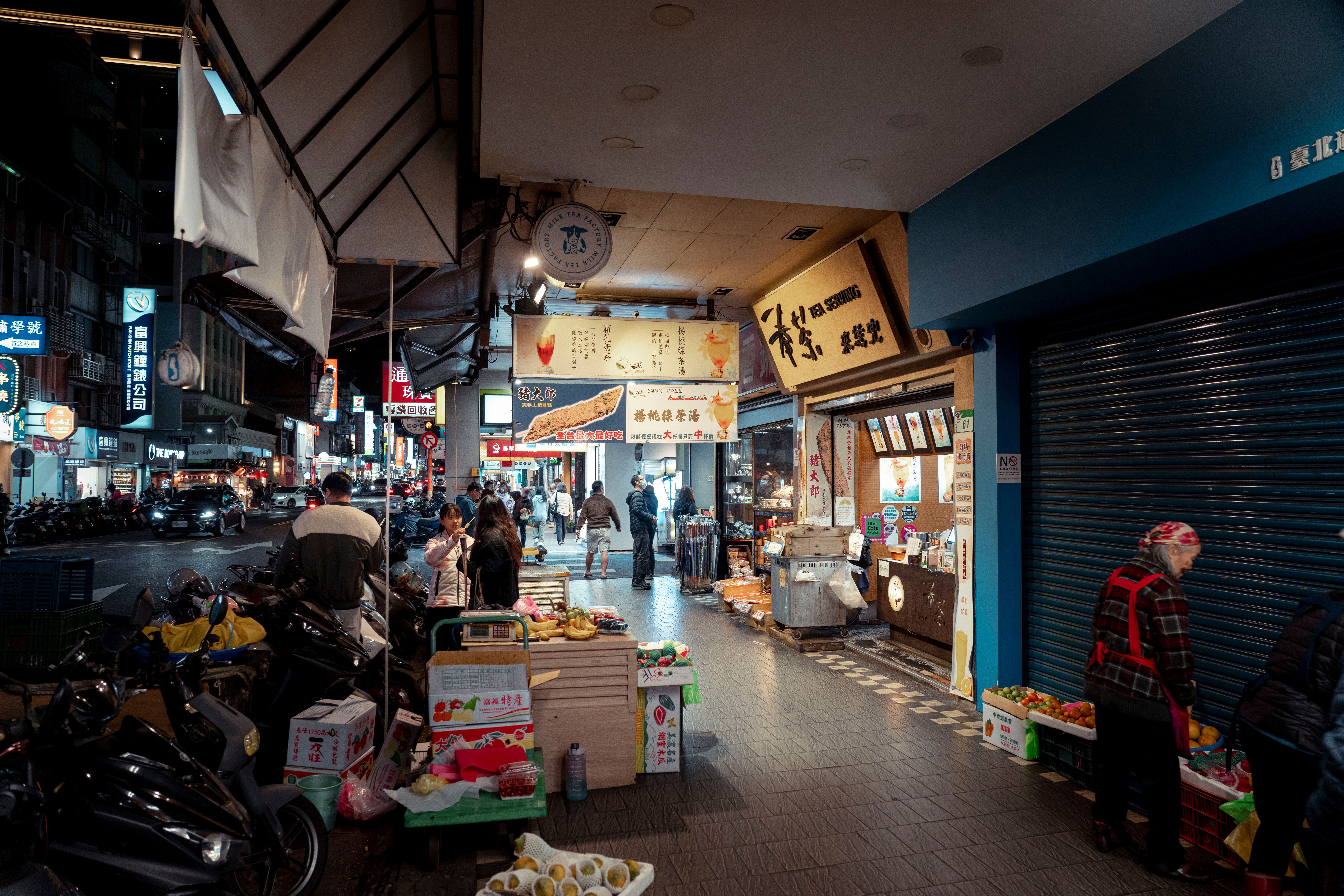
Most successful street vendors sell one thing, sometimes with a single variation. The narrowness is an operating decision, and almost every advantage of the format depends on it.
One dish means one prep routine
A vendor's day is split between preparation and service, and preparation happens before there is any income. Every additional dish lengthens that unpaid stretch.
Making one item means the morning routine is identical daily, which allows it to be timed precisely and eventually delegated to family or an assistant.
It also means the vendor knows, before leaving home, exactly how much of everything to carry, which is not possible with an open-ended menu.
Equipment stops being a compromise
A cart carries a limited amount of weight and has a fixed footprint. General-purpose equipment fits many dishes adequately and none of them well.
A single-dish vendor can carry a griddle, a vessel or a fryer built for that dish alone, sized to their exact output and shaped for the way they work.
Purpose-built equipment cuts seconds off every unit served, and at street volume those seconds decide how many people can be fed before the busy hour ends.
Waste becomes predictable
Street food runs on thin margins, so unsold stock is the main threat to a day's earnings, particularly with fresh components that will not keep overnight.
Selling one dish makes demand forecastable, because the vendor is measuring a single quantity against a single history rather than guessing across a menu.
Over months this produces a purchasing accuracy that a varied stall cannot match, and that accuracy is where the margin actually comes from.
Repetition produces a standard nobody has to enforce
Making the same item several hundred times a day compresses years of practice into months, and the adjustments become automatic rather than considered.
The vendor can tell by sound and colour when something is ready, which removes the need to check and keeps the queue moving.
That consistency is what customers return for, and it is very difficult to reproduce while dividing attention across five preparations.
A single item sets its own price
With one dish there is one price, so no ordering decision is required and the transaction takes seconds, which matters when the queue is the constraint.
It also makes the vendor comparable with neighbours on quality alone, since everyone selling the item is selling it at a broadly similar price.
Competing purely on execution is uncomfortable, but it is the reason street specialists often outcook restaurants at the one thing they make.